
The best transportation for assisted living facilities is a partner that shows up on time, helps each resident from their room to the exam chair and back, and answers the phone at any hour. Everything else a provider can tell you, from vehicle types to paperwork, only matters if those three things are true on every ride.
If you run a community in Northern Virginia, you already know how much hinges on a ride. A missed pickup means a missed appointment, a worried family and a care plan that slips. Here is what to look for before you hand a provider your residents’ schedules.
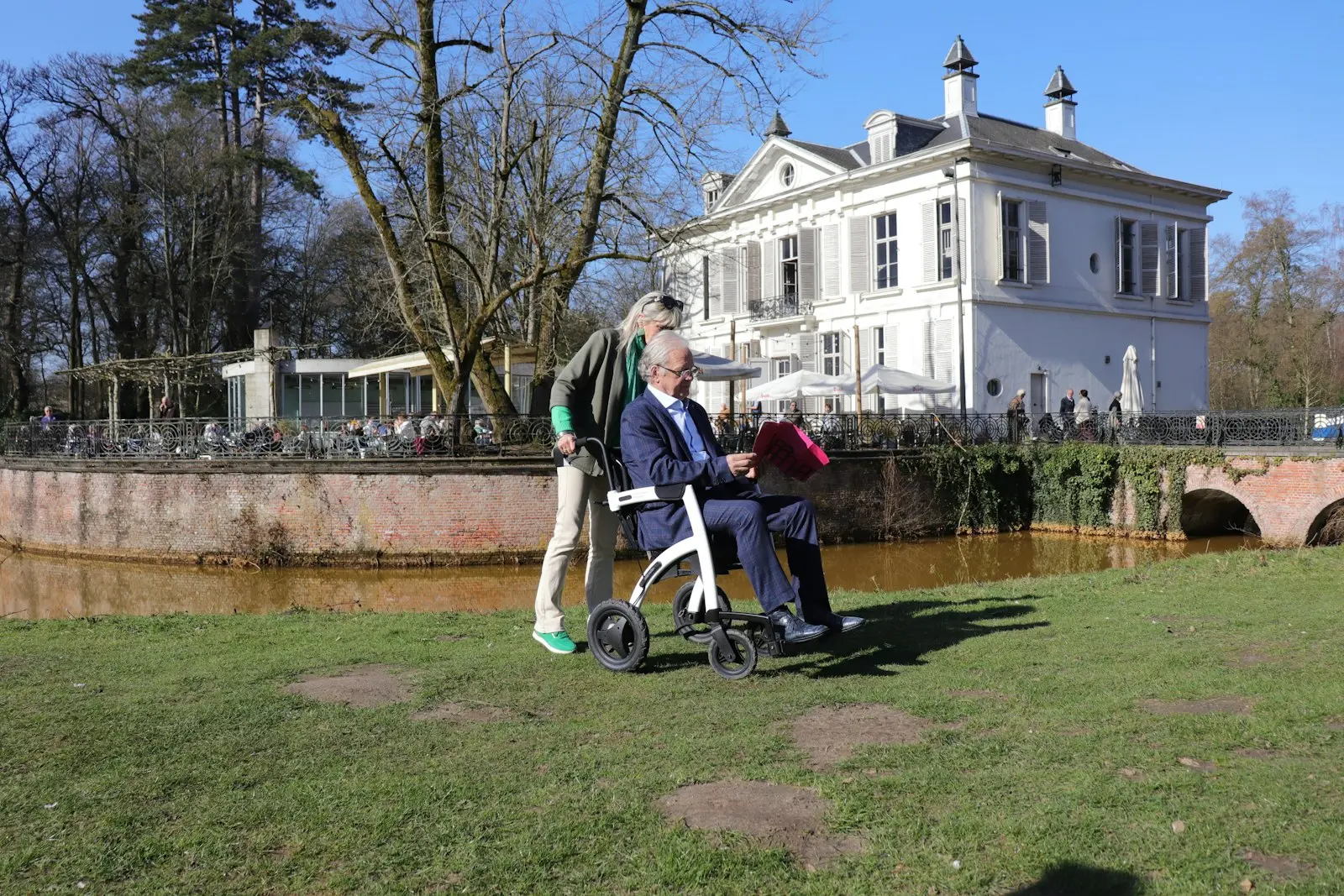
Why transportation for assisted living facilities is a care issue
When rides fall through, the cost lands on your staff. An aide waits at the front door with a resident who is dressed and ready. A nurse spends twenty minutes on the phone to reschedule a specialist visit that took six weeks to get. A daughter calls to ask why her father missed his appointment. A good transportation partner takes all of that off your team’s plate so they can focus on care inside the building.
Door through door, not curb to curb
This is the first question to ask, and the one that separates providers fastest. Curb to curb means the driver waits in the vehicle and expects the resident to get there on their own. For most people in assisted living, that is not realistic. They need help with a walker, a transfer into the seat, the elevator at the clinic and the check in desk.
Door through door means the driver comes inside, helps with every transfer, walks the resident to check in and does the same thing in reverse, handing them back to your staff at the end. This one detail separates real transportation for assisted living facilities from a basic taxi service. Ask any provider exactly where their responsibility starts and ends. If you want the full breakdown, we wrote about the difference in curb to curb vs door through door.

All three levels of transport under one roof
Residents’ needs change. Someone who walks to the van today may need a wheelchair after a fall, and more than one in four older adults falls each year, or a stretcher coming home from a hospital stay. A partner that handles ambulatory, wheelchair and stretcher rides means you are not searching for a new vendor during the hardest week. Ask specifically whether they run stretcher trips, because many wheelchair services do not.
What 24/7 should actually mean
Dialysis chairs open before dawn. Hospitals discharge at 9 p.m. Urgent care visits happen on Sunday. Plenty of providers say 24/7, so ask the follow up questions. Is the phone answered by a person overnight, or does it go to voicemail? Do they dispatch rides at those hours, or just take a message for the morning? Can they take a same day request when a resident needs to be seen today? Round the clock coverage is where transportation for assisted living facilities proves its value.
Communication your staff can count on
Ask what your team will hear and when. You want a confirmation as soon as you book the ride, a call when the driver is on the way, an honest heads up if there is a delay and a clear check in with a named staff member when the resident returns. Ask who to call when a plan changes mid day, and what happens when a resident is not ready at pickup time. The answers tell you how the provider treats your staff when things get messy, and good transportation for assisted living facilities keeps your team informed at every step.
Standing rides for recurring appointments
Dialysis three mornings a week, physical therapy, wound care, radiation. A large share of the rides your residents need repeat on a schedule. Ask whether the provider can set up a standing ride so you book once and the same plan holds week after week. Then ask how they handle changes, how far ahead you should book a new recurring ride and whether they can send the same driver when possible. Familiar faces matter to residents, and consistency matters to your nurses. Reliable standing rides are the backbone of transportation for assisted living facilities.

Driver training and resident dignity
Start with how the provider trains drivers on wheelchair securement, lift operation and safe transfers. Find out how drivers work with residents who have memory loss, limited hearing or anxiety about leaving the building. Background checks and drug screening should be standard, so confirm both. Then ask to meet the drivers. The person helping your resident down the hallway should be someone your staff would be comfortable introducing to a family. Respect for residents is the standard all transportation for assisted living facilities should meet.
Paperwork and billing that fit your office
Before the first ride, ask for a current certificate of insurance and a W-9. Ask how billing works: whether invoices go to the community, to the family or both, and what information you will need to collect from each resident. The simpler the setup, the more likely your business office will actually use it. Clear billing makes transportation for assisted living facilities easy to manage month after month.
A checklist for choosing transportation for assisted living facilities
- Do you provide door through door service on every ride, including help with transfers and check in?
- Do you handle ambulatory, wheelchair and stretcher trips?
- Is a person reachable 24/7, and do you dispatch rides overnight and on weekends?
- Can you set up standing rides for dialysis and therapy?
- How will my staff be notified about pickups, delays and returns?
- How do you train and screen your drivers?
- Can you share a certificate of insurance and explain how billing works?
Transportation for assisted living facilities: how Protego works with your community
Protego Transport runs wheelchair, stretcher and ambulatory rides for assisted living communities across Northern Virginia, with long distance trips anywhere in Virginia. Every ride is door through door: our driver comes inside, helps with every transfer and walks the resident to check in, then brings them back to your staff. We are available 24/7, we set up standing rides for recurring appointments and your team gets one phone number to call. We are glad to visit your community, meet your staff and walk through how we train and screen our drivers before the first ride.
Call (703) 673-7145 for a free quote. Where care meets mobility.